
Does Puppy Biting Mean Aggression?

Updated: Aug 6

Bringing home a sweet, fluffy puppy can quickly become confusing when that puppy begins grabbing your hands, biting your ankles, tugging on your clothing, and occasionally growling while doing it. For many new puppy owners, the behavior feels alarming. They begin to wonder whether their puppy is aggressive, dominant, or developing a serious behavior problem. The reassuring answer is that, in most cases, puppy biting is not aggression. Mouthing and biting are normal parts of puppy development. That does not mean you should simply allow your puppy to bite you, but it does mean that you can address the behavior without assuming something is terribly wrong.
Why Do Puppies Bite So Much?
Puppies use their mouths to explore the world. They pick up toys, investigate objects, interact with other puppies, and initiate play with their mouths. When they move into our homes, they naturally try to interact with us in many of the same ways. Puppies also have very little impulse control. Once they become excited, they may have difficulty slowing themselves down. Moving hands, flowing clothing, shoelaces, and pant legs can quickly become irresistible targets. Teething can increase the behavior as well. As puppy teeth loosen and adult teeth begin coming in, chewing may help relieve discomfort. Providing appropriate items to chew can make this stage easier for both you and your puppy.
Puppy Biting Often Gets Worse When a Puppy Is Tired

One of the most common patterns I see is a puppy who becomes increasingly wild and mouthy as the day goes on. The owner assumes the puppy needs more exercise and attempts to wear the puppy out with additional play. Sometimes that creates an even more excited and exhausted puppy.
Young puppies need a tremendous amount of sleep. When they have been awake too long, they may become less able to control their behavior. They may race through the house, grab clothing, bark, growl, ignore toys, and repeatedly return to biting hands and feet. If your puppy’s biting suddenly becomes more intense, consider how long the puppy has been awake. A calm trip outside to potty followed by quiet time in a crate or puppy pen may be more helpful than another round of energetic play.
Do Not Turn Your Hands Into Toys

It may be cute to wrestle with a tiny puppy using your hands, but puppies grow quickly. If hands are regularly used during rough play, the puppy learns that grabbing and biting people is part of the game. Use toys for interactive play instead. Choose toys that are long enough to create some distance between your puppy’s mouth and your hands. If your puppy repeatedly leaves the toy to bite you, pause the interaction before trying again. Everyone in the household should follow the same basic rule. It is difficult for a puppy to understand why biting hands is encouraged by one person but discouraged by another.
Avoid Creating a Bigger Game
When a puppy grabs your pants or bites your ankles, your natural reaction may be to pull away quickly, wave your hands, push the puppy back, or squeal loudly. Unfortunately, those reactions can make the interaction even more exciting. Movement can trigger chasing, while pushing a playful puppy away may feel like an invitation to wrestle. Try to remain as calm as possible. Stop moving, remove access to your body when you safely can, and redirect the puppy to an appropriate toy or activity. If your puppy is too excited to redirect, the puppy may need a brief opportunity to settle in a safe confinement area.
This is not punishment. It is simply a way to prevent the biting from continuing while your puppy calms down.
Make Sure Your Puppy Has Appropriate Things to Chew

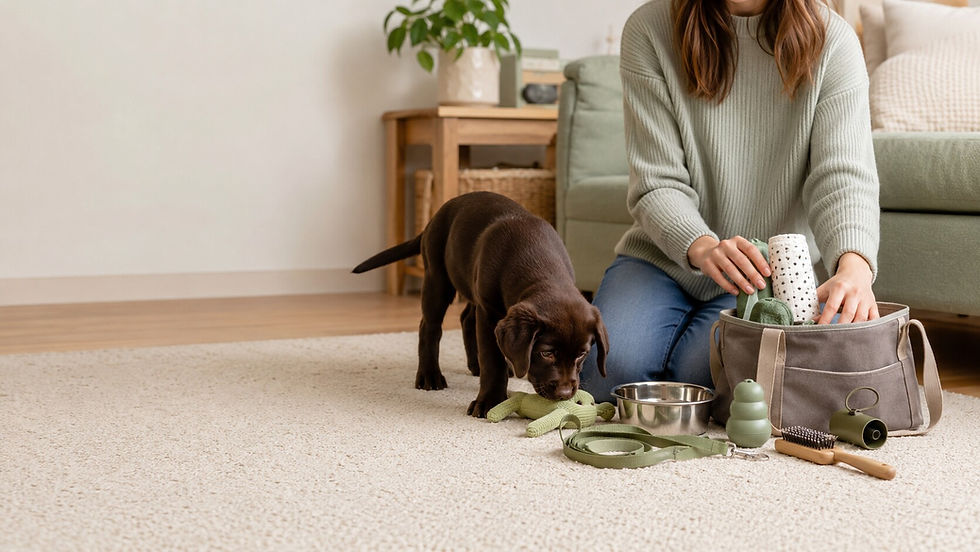
Puppies need safe opportunities to use their mouths. Keep several types of puppy-appropriate chews and toys available so you can learn what your puppy prefers. Some puppies enjoy softer toys, while others prefer rubber toys or textured chews. Rotate toys instead of leaving every option available all the time. A toy that has been put away for a few days may feel new and interesting when it reappears. Always choose items that are appropriate for your puppy’s size and chewing style. Supervise your puppy with new toys and remove anything that begins breaking into pieces or could be swallowed.
When Should Puppy Biting Concern You?
Normal puppy biting can look surprisingly dramatic. Puppies may growl during play, pounce, shake toys, and bite hard enough to hurt. The presence of growling alone does not automatically mean that a puppy is aggressive. However, biting deserves closer attention when it occurs alongside concerning body language or in very specific situations. Warning signs may include a puppy becoming stiff and still, guarding food or objects, reacting intensely to gentle handling, biting when approached while resting, or repeatedly causing serious puncture wounds outside of ordinary play.
Pain and illness can also cause a puppy to react defensively. If your puppy’s behavior changes suddenly or touching a particular area triggers biting, schedule an examination with your veterinarian. If you are uncertain about what you are seeing, seek help from a qualified trainer or behavior professional who uses humane, evidence-based methods. Early guidance is much better than waiting for the problem to become established.
Your Puppy Is Not a Bad Puppy
Living with puppy biting can be frustrating, especially when your hands are scratched and your clothing has tiny holes in it. Still, this stage does not mean that you chose the wrong puppy or that your puppy is destined to become aggressive. Your puppy is learning how to live in a human household. That takes time, consistent boundaries, appropriate outlets, enough rest, and plenty of patience. The goal is not to punish your puppy for using their mouth. The goal is to teach your puppy which choices work better when interacting with people. With thoughtful management and consistent practice, most puppies gradually move beyond the tiny shark stage and learn gentler, more appropriate ways to play.


Comments